空间能力基准测试(SCBench):通过可执行输出评估大模型的全局约束空间推理能力 Spatial Competence Benchmark
22个任务/285子任务评估大模型在三维构造、全局约束和长时序规划上的空间能力。
前置知识
空间能力(Spatial Competence)
指维持对环境的内部一致性表征、并在该表征下推断离散结构与规划动作的能力。论文特别强调这不只是视觉问题,而是把空间当成可执行对象——需要在脑中维护一份「配置」并据此生成坐标、边集、动作序列等结构化输出,并通过确定性或仿真验证。
SCBench 的整体设计就是围绕这一定义展开:所有任务都要求可执行输出(不是 VQA 选择题),并由 verifier 或物理仿真器打分。读不懂这一区分,就无法理解为什么 SCBench 比现有空间基准(Mind the Gap、SpinBench 等)更接近真实工程问题。
公理化推理 / 构造性综合 / 规划三层能力阶梯
论文把空间能力按难度拆成三层:公理化推理(Axiomatic Inference)要求从点集或形式规则推断离散结构;构造性综合(Constructive Synthesis)要求生成满足全局约束的几何对象;规划(Planning)要求在物理/组合约束下输出长动作序列并由仿真器评判终端状态。三层之上是「global constraint consolidation(全局约束整合)」这一贯穿性难点。
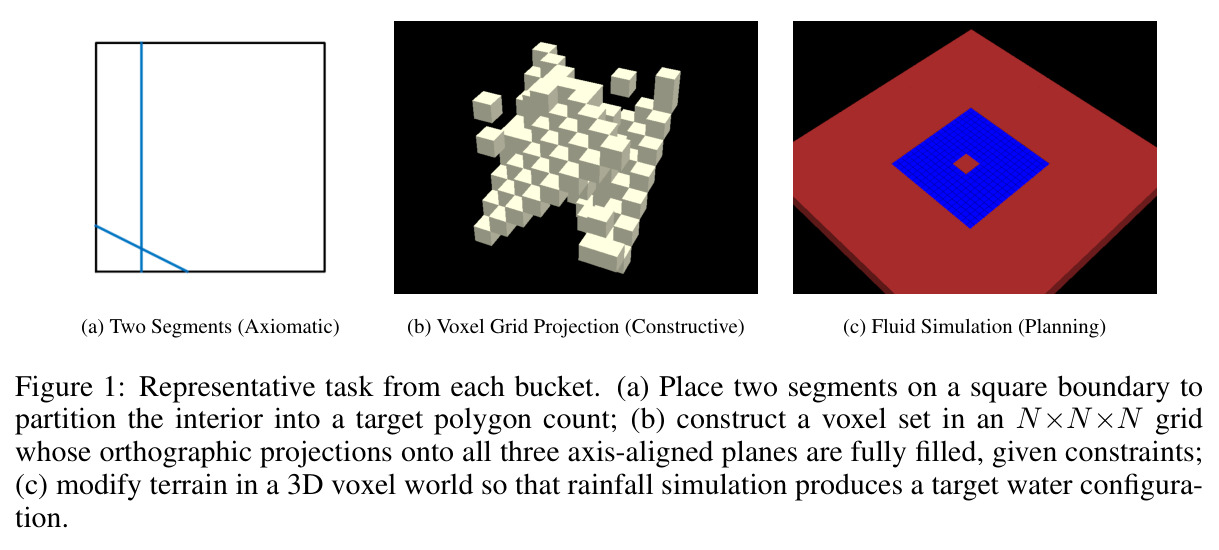
读者要理解 SCBench 上所有模型都呈现 Axiomatic > Constructive > Planning 的单调下降,准确把握这三层定义是阅读 Table 1 与 Figure 1 三大代表任务的前提。
确定性验证器 + 仿真评估器
SCBench 的评分核心是两类自动化 grader:deterministic checker(用 Python/OpenSCAD 做几何/拓扑/流形等硬约束检查,如 CSG Union 的 watertightness、Delaunay 的空圆准则)和 simulator-based evaluator(用 PyBullet 模拟爆破后岩石滚落、用自制水力学模型迭代降雨)。两者都支持部分给分(partial credit)。
理解验证机制后,读者才能解释为什么 Delaunay Triangulation 任务在有工具时三模型都暴涨(+36 到 +56 pp)——调用 scipy.spatial.Delaunay 直接绕过判定准则;也能理解为什么「Terrrain Levelling」无人能解——多步动力学无法在生成时查询。
失败模式五分类(Failure-mode taxonomy)
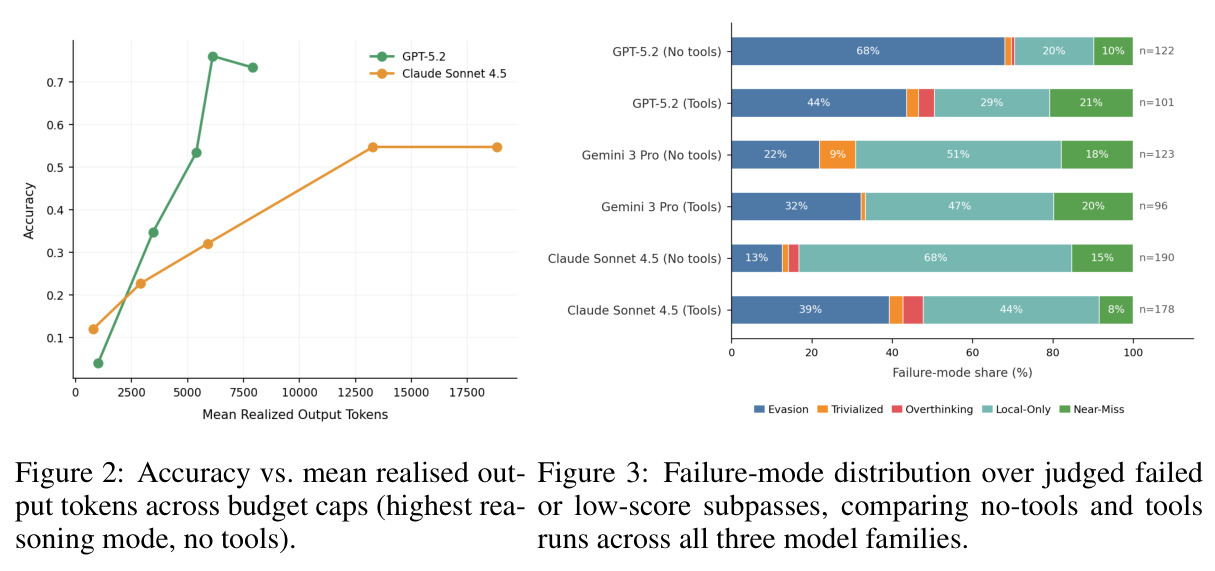
论文独立定义 5 个互斥标签:Evasion/Forfeit(拒绝/空答)、Trivialized/Misframed(偷换问题)、Runaway Overthinking(长思考无产物)、Local-Only(局部正确但全局违反约束)、Near-Miss(几乎全对但单个谓词失败)。由 GPT-5.2-chat 作 judge,强制每条 subpass 打唯一标签,便于跨任务跨模型聚合。
这是论文最关键的诊断创新。Local-Only 占 Sonnet/Gemini 失败大头,是「空间能力」缺失的核心证据;理解这五个标签才能读懂 Figure 3 与 §3.3 的全部结论。
Token budget sweep(输出预算扫描)
为了分离「更多思考 token 能否换更多准确率」,论文固定最高推理档位,把模型的输出 token 上限 B 在 {1024, 4096, 8192, 32768, 65536}(GPT-5.2)/ {1025, 4096, 8192, 32768, 64000}(Sonnet)之间扫描。B 由 provider 端强制 + prompt 内告知,记录 API 报告的 realized output tokens。
这个实验产生 Figure 2,揭示「空间推理很快饱和」这一与一般数学/代码推理不同的现象。理解 B 的含义才能看懂 0.04→0.76→0.73 的拐点,以及为什么 Sonnet 烧更多 token 反而天花板更低。
研究动机
大模型在软件工程与竞赛数学上已达人类水平(Anthropic 2026、Qwen 2025、Stanford AI Index 2025),但空间能力——即在脑中维持环境配置并据此推断结构、规划动作的能力——至今没有严格评测。现行空间基准主要分两类缺陷:一类是「Selection-based probe」,例如 Mind the Gap、SpinBench、11Plus-Bench、Is a Picture Worth a Thousand Words 等,它们用 VQA/选择题只探测孤立原语(3D 旋转、视角切换),无法测出组合与多步推理;另一类是「窄域多步」基准,例如 Lego-Puzzles、OrigamiSpace、GamiBench、Unfolding Spatial Cognition,它们把多步空间推理局限在折纸/拼装/视觉模拟等单一场景,无法覆盖需要长动作序列的规划任务。文本-only 接口(Can LLMs See Without Pixels?、FloorplanQA)只测一种表征通道;物理打分(APEX、lmgame-bench、Probing Mechanical Reasoning)又各自只切问题的一面。共同短板是:缺少「输出即产物 + 程序化或仿真验证 + 可参数化生成以防记忆」三位一体的基准。
本文的目标是论文目标是用「空间能力(spatial competence)」统一框架,建立一个可执行、可验证、不可记忆的大模型空间能力基准。具体有三件事:(1) 设计 22 个任务共 285 个子任务,覆盖公理化推理、构造性综合、长时序规划三层;(2) 每个任务都要求结构化可执行产物(坐标、边集、动作序列、JSON),并配程序化 verifier 或物理仿真打分器,部分任务支持 partial credit;(3) 用实例生成器参数化难度,从根本上防止题库被背熟。最后把 Claude Sonnet 4.5、Gemini 3 Pro Preview、GPT-5.2 三家旗舰模型分别在 no-tools 与 tools(自带 Python 解释器 + Web Search)两种设置下跑通,输出准确率、token 预算效率、失败模式三类诊断。
与已有工作不同的是,现有基准大多停留在「测单个原语」或「测某个封闭应用」,而 SCBench 的独特切入是把空间任务视作「工程对象」:必须把局部正确(local geometry)与全局约束(global constraint)区分开,把思考 token 数量与有效推理质量区分开,把不可验证的自由文本输出排除掉。论文还首次系统地做了一个 post-hoc 失败归因层(GPT-5.2-chat judge + 五个互斥标签),把性能分数拆成可解释的「为什么错了」。这套「可执行产物 + 全局约束意识 + 失败归因」组合是它在 2025–2026 这一波空间基准(11Plus-Bench、SpinBench、OrigamiSpace、Mind the Gap、FloorplanQA)里最大的区别点。
核心方法
SCBench 的方法论可以概括为「以能力阶梯为骨架、以可执行输出为接口、以自动验证器为裁判」。作者先把所有空间任务分成三个难度递增的桶(axiomatic / constructive / planning),然后为每一桶挑出代表性任务并设计两类 verifier——对纯几何/拓扑命题用 Python+OpenSCAD 的确定性 checker(Delaunay 空圆、CSG watertight、Shikaku 平铺),对涉及动力学或多步因果的任务用自研仿真器(PyBullet 模拟爆破后岩石滚落、cell-based 降雨迭代)。每个任务的输入是 prompt + 可选参数,输出是 schema-conformant 结构化产物,由 verifier 给出 [0,1] 分数。论文在 §3 用三组实验剖析模型:(a) 主评估(no-tools vs tools 三模型对比),(b) Token 预算扫描(仅 axiomatic 桶,固定最高推理档位扫 B ∈ {1024…65536}),(c) 失败模式诊断(GPT-5.2-chat 作 judge,对 score<0.6 的所有 subpass 强制打五标签之一)。直觉上,论文把「空间能力」操作化成「能否在约束满足的前提下产生可验证产物」,方法上刻意剥离视觉,把空间推理的瓶颈放到纯语言通道(必要时配代码执行)。
核心创新在于三个层面。第一,把输出接口从「自然语言」强制改为「结构化可执行产物 + 程序化 verifier」,逼模型产出可被机械验证的坐标 / 边集 / JSON,而不是靠判官主观打分。第二,提出「local vs global」的双层失败观,并通过 5 个互斥标签把抽象的「准确率低」翻译成具体的「哪里断」:例如 Two Segments 任务里模型正确使用 Euler 公式但破坏了面数约束、Classify Behaviour 子任务 9 只错一个角落配置——这些是选择题式基准永远看不到的信号。第三,把 token 预算扫描做在「最高推理档位」的 axiomatic 桶上,以「realised output tokens」作为横轴,得到 Figure 2 的「空间推理容量饱和」曲线,这一点比泛泛的「更多思考更好」更精细。和已有方法(如 11Plus-Bench 的认知分解、SpinBench 的旋转视角、OrigamiSpace 的多步约束)相比,SCBench 不限定一种原语或一种应用,而是把全局约束整合当作统一靶心。
方法步骤详情
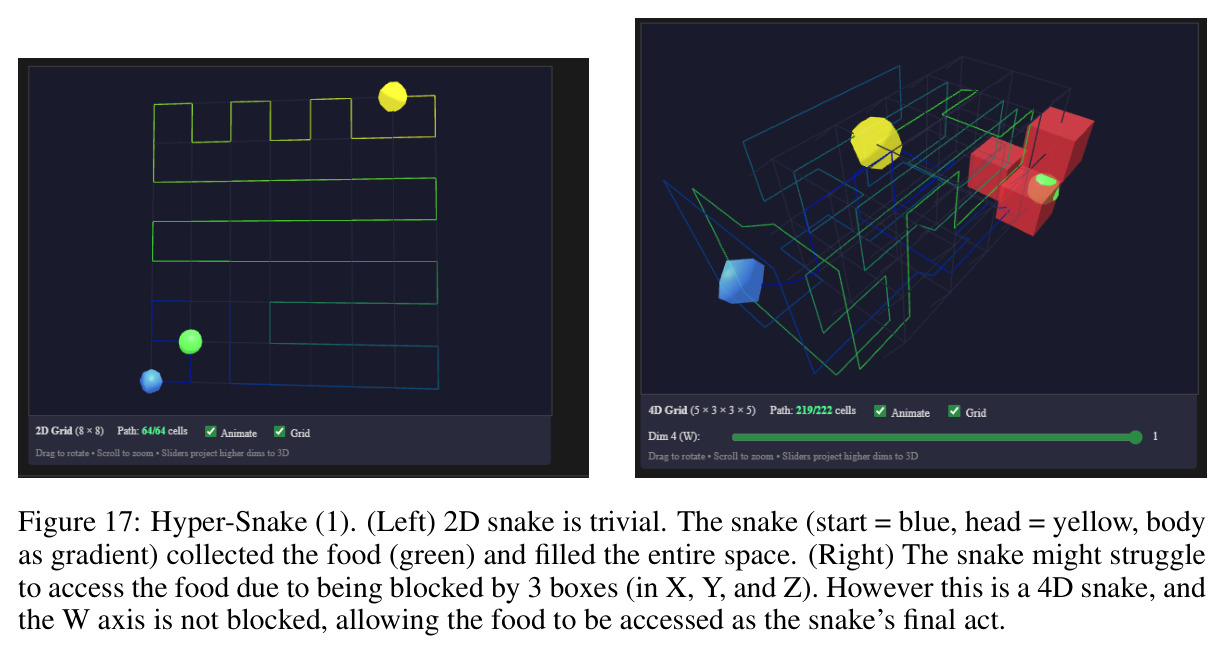
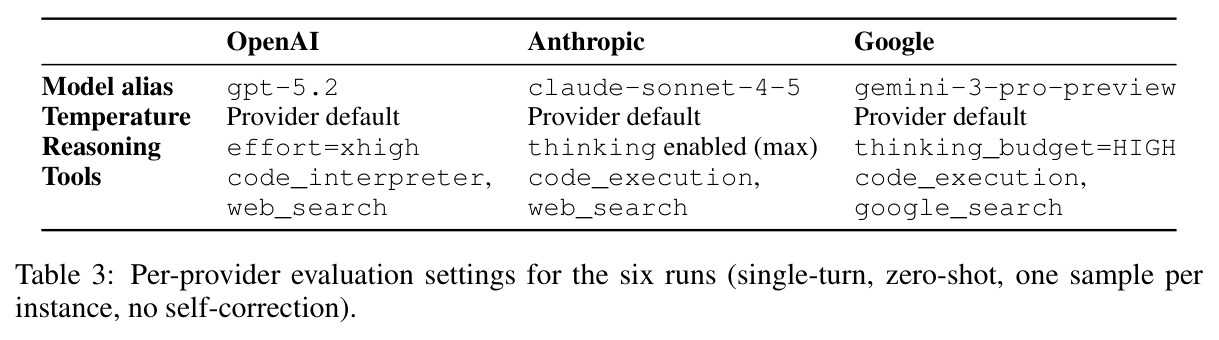
完整流程按 benchmark→evaluate→diagnose 三步走。Step 1(任务构造):从 22 个原始任务模板生成 285 个 subpass,每个 subpass 由 (a) 参数化实例生成器(控制半径、点数、网格大小、约束项数等难度维度)+ (b) prompt 模板 + (c) schema 化输出定义(如 CSG 的 polyhedron JSON、Hyper-Snake 的 Nd 路径列表、Delaunay 的三角形索引三元组)+ (d) 评分函数四件套构成;其中 11 个任务用 binary pass/fail,另外 11 个用 task-specific metric 给 partial credit。Step 2(执行评估):每个 subpass 用 single-turn zero-shot 单样本提交到 provider,6 个 run 分别是三模型 × {no-tools, tools};no-tools 只能产出最终结构化答案,tools 可调用 provider 提供的 code_interpreter/code_execution 与 web_search(评测设置见表 3:GPT-5.2 reasoning effort=xhigh,Sonnet thinking 拉到 max+extended-thinking 预算 B-1,Gemini thinking_budget=HIGH,温度统一为 provider 默认)。所有输出都喂进对应 verifier,Delaunay/Hyper-Snake/Hide and Seek 等任务还辅以 OpenSCAD 或 PyBullet 二次仿真。Step 3(归因诊断):把 score<0.6 的所有 subpass 喂给 GPT-5.2-chat(Medium 推理),每条样本附带原 prompt、原始输出、推理痕迹(Gemini 3 Pro 不暴露则留空)、任务卡(intent/output contract/hard constraints/verifier signals/tie-break)、verifier diff,强制返回单一 failure_mode + confidence + justification。Step 4(预算扫描):仅在 axiomatic 桶上,把 B 从 1024 逐步抬到 65536(GPT-5.2)或 64000(Sonnet),既在 provider 端强制上限也在 prompt 内写明,记录 API 返回的 realized output tokens(包含 reasoning tokens),按均值画精度曲线。
技术新颖性
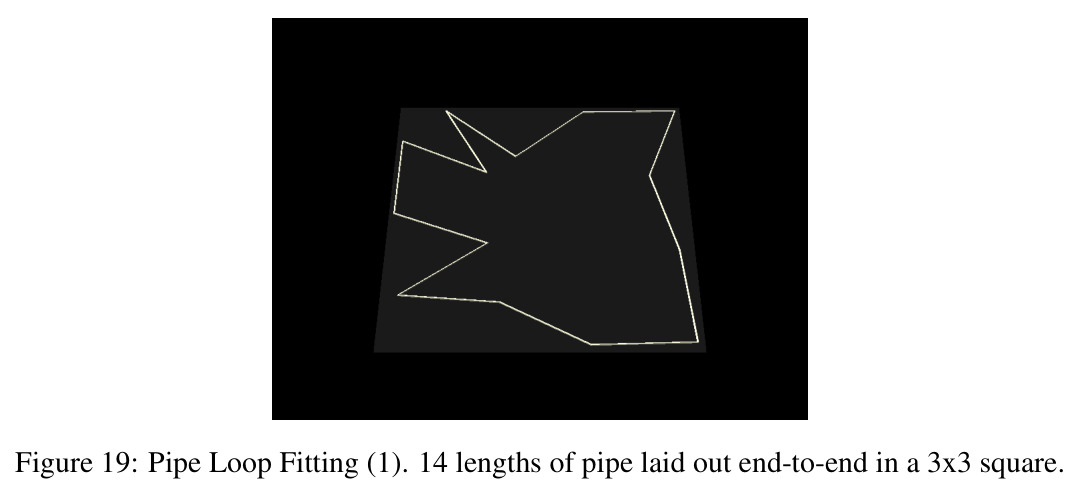
技术新颖性集中在四个维度。(1) 任务层:把空间能力组织成「公理化 / 构造性 / 规划」三桶而非按模态(文本/视觉/视频)或按原语(旋转/拓扑/路径)切,覆盖率更高且难度梯度是单调的,这一点在 Table 1 三模型上都被复现。(2) 接口层:所有任务都强制 schema-conformant 结构化输出,配合 deterministic 或 simulator-based evaluator;这一组合在 Lego Hemispherical Shell(OpenSCAD 体积相似度)、Pipe Loop Fitting(多约束 BFS)、Terrain Levelling(PyBullet 落石仿真)等任务上给出了物理上可解释的评分。(3) 诊断层:post-hoc GPT-5.2-chat judge + 五个互斥标签,把「得分低」拆成可比较的 failure-mode 分布,Figure 3 显示 Local-Only 是 Sonnet 与 Gemini 的主失败模式,且工具只能把 Evasion 转为 Local-Only 而不能根除。(4) 容量层:把 token 预算显式当成横轴,发现 GPT-5.2 在 B=32768 之后精度反而从 0.76 掉到 0.73,Sonnet 在 B=32768 之后持平——这是空间推理区别于数学/代码推理的关键证据:更多思考换不来更多全局约束整合。
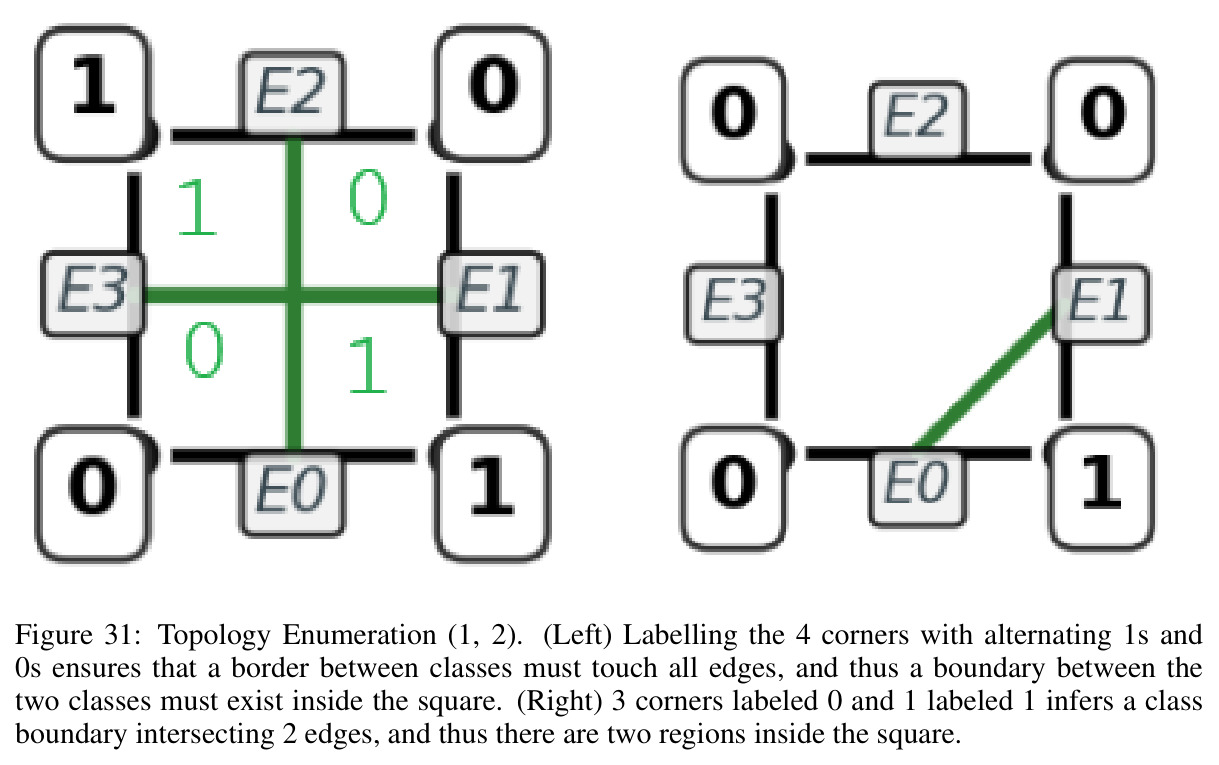
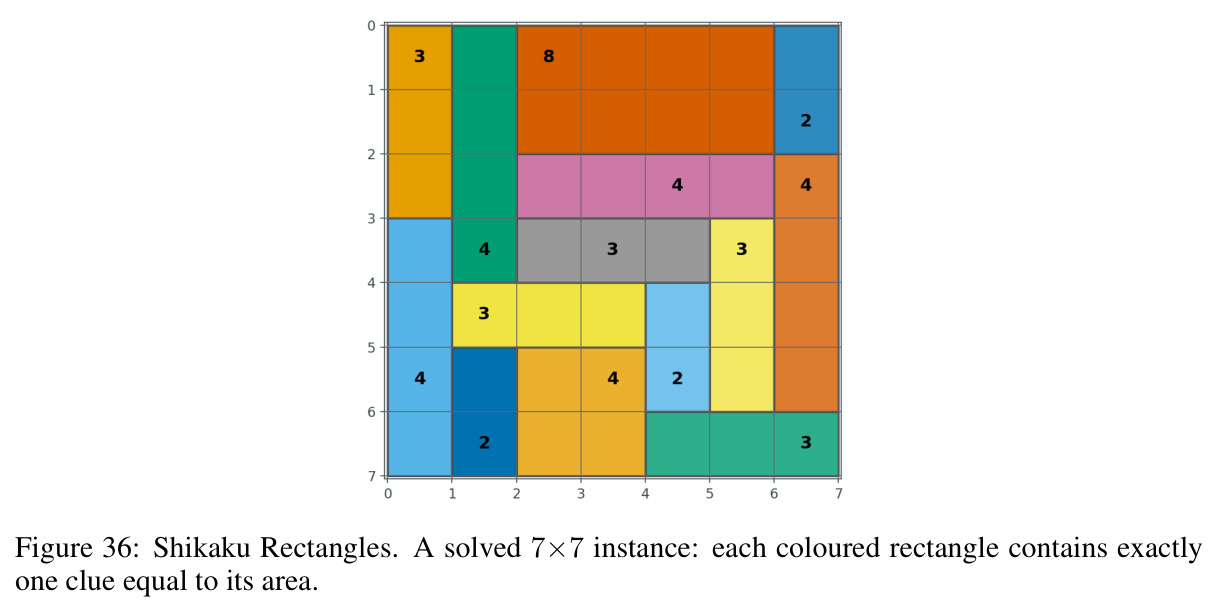
实验结果
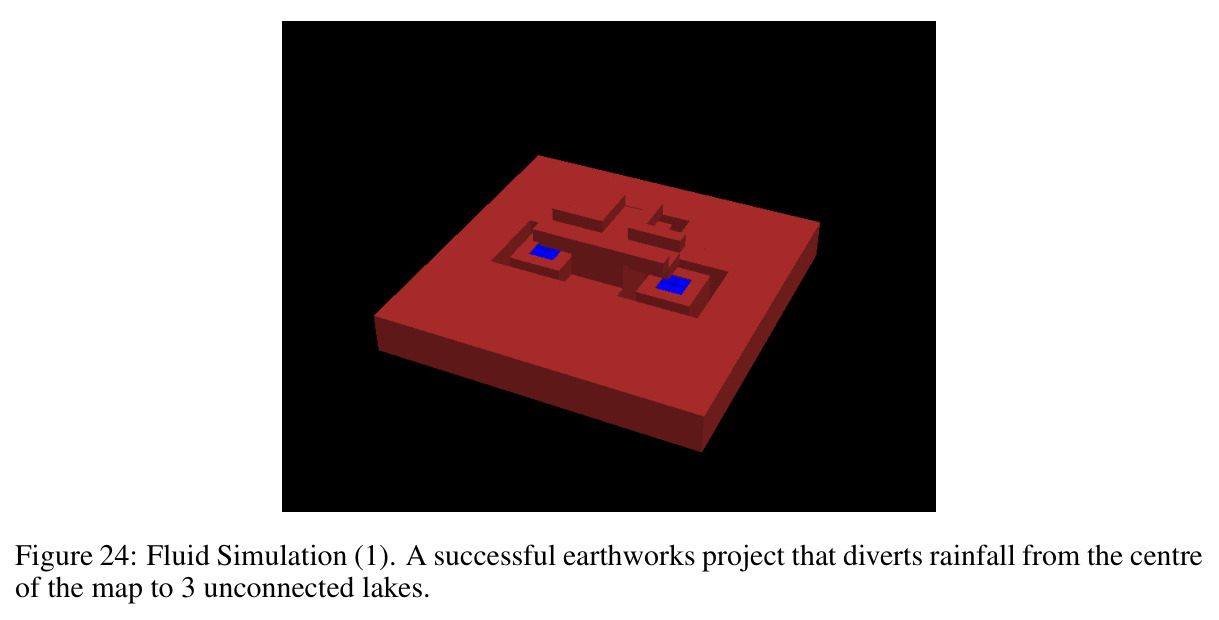
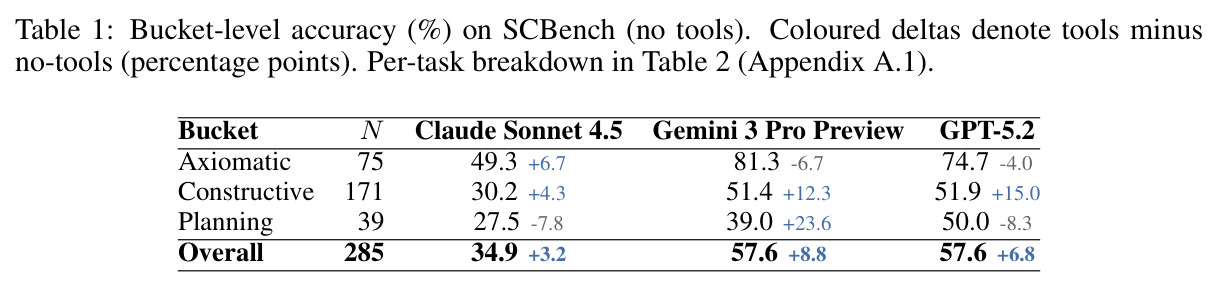
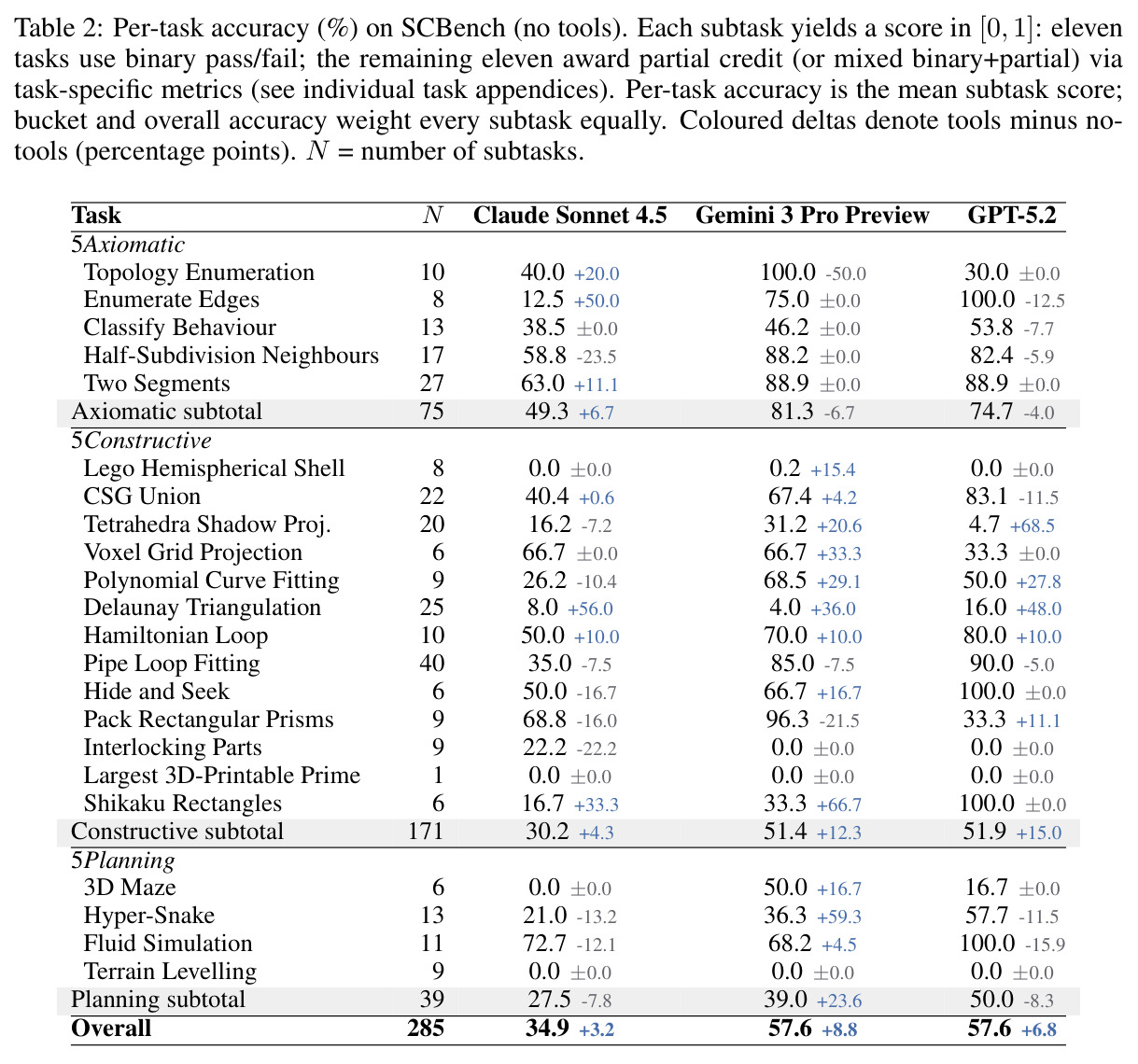
实验一(主评估,Table 1)显示三模型整体得分 Gemini 3 Pro Preview 与 GPT-5.2 并列 57.6%,大幅领先 Claude Sonnet 4.5 的 34.9%,三模型都呈现 Axiomatic > Constructive > Planning 的严格单调下降(Axiomatic 75–81 → Constructive 30–52 → Planning 27–50),证明这是一个模型无关的能力梯度而非模型差异噪声。桶内工具效应差异显著:Constructive 桶三模型都正收益(Sonnet +4.3 / Gemini +12.3 / GPT-5.2 +15.0 pp),其中 GPT-5.2 在 Tetrahedra Shadow Projection 上拿了 +68.5 pp 的工具红利;而 Axiomatic 桶 Gemini (-6.7) 与 GPT-5.2 (-4.0) 开工具反而退步,说明工具开销会挤占原本能解的题;Planning 桶 Gemini 在 Hyper-Snake 单任务拿到 +59.3 pp 的极端提升,但 Sonnet (-7.8) 与 GPT-5.2 (-8.3) 都下滑,表明在多步动力学任务上工具有时反而是干扰。最一致的工具红利在 Delaunay Triangulation(Sonnet +56.0 / Gemini +36.0 / GPT-5.2 +48.0 pp)——直接调库即可。Fluid Simulation(单步盆地构造)所有模型都拿高分(Sonnet 72.7 / Gemini 68.2 / GPT-5.2 100.0),但 Terrain Levelling(多步爆破+落石仿真)所有模型 0%。实验二(预算扫描,Figure 2):在 axiomatic 桶上 GPT-5.2 的 no-tools 精度从 B=1024 的 0.04 提升到 B=32768 的 0.76,再在 B=65536 略微回落到 0.73;Sonnet 从 B=1025 的 0.12 升到 B=32768 的 0.55 后持平。Sonnet 在可比预算下消耗更多 realized output tokens 但到达更低天花板,证明烧 token 不能替代低效空间推理;高预算下两边 token 继续涨而精度持平,确认空间推理容量存在饱和。实验三(失败模式,Figure 3):Local-Only 在 Sonnet 与 Gemini 失败中占主导,开工具后 Sonnet 的 Local-Only 从 68% 降到 44%、Evasion/Forfeit 反而三倍上涨,GPT-5.2 的 Evasion 从 68% 降到 44% 而 Local-Only 上升,Gemini 分布几乎不变。代表性案例包括 Two Segments 里模型用对 Euler 公式却产出「应五边形但出四边形」的 Local-Only、Classify Behaviour 子任务 9 仅错一个边界配置的 Near-Miss、Delaunay 子任务 21 直接放弃返回空三角化的 Evasion。
查看结构化数据
| 任务 | 指标 | 本文 | 基线 | 提升 |
|---|---|---|---|---|
| SCBench Axiomatic 桶(75 subpass) | Accuracy (%) | Sonnet 49.3 / Gemini 81.3 / GPT-5.2 74.7 (no-tools) | 无;桶内包含 Topology Enumeration、Enumerate Edges、Classify Behaviour、Half-Subdivision Neighbours、Two Segments 5 个任务 | Gemini 最高,比 Sonnet 高 32.0 pp;工具下三模型平均+1.2 pp 但 Gemini/GPT-5.2 略退步 |
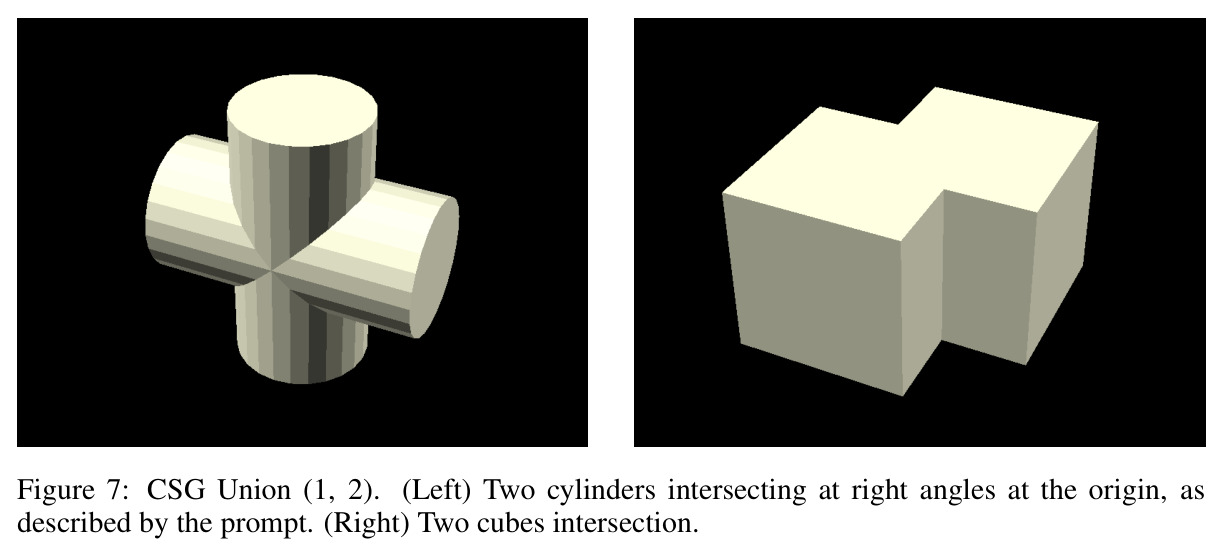
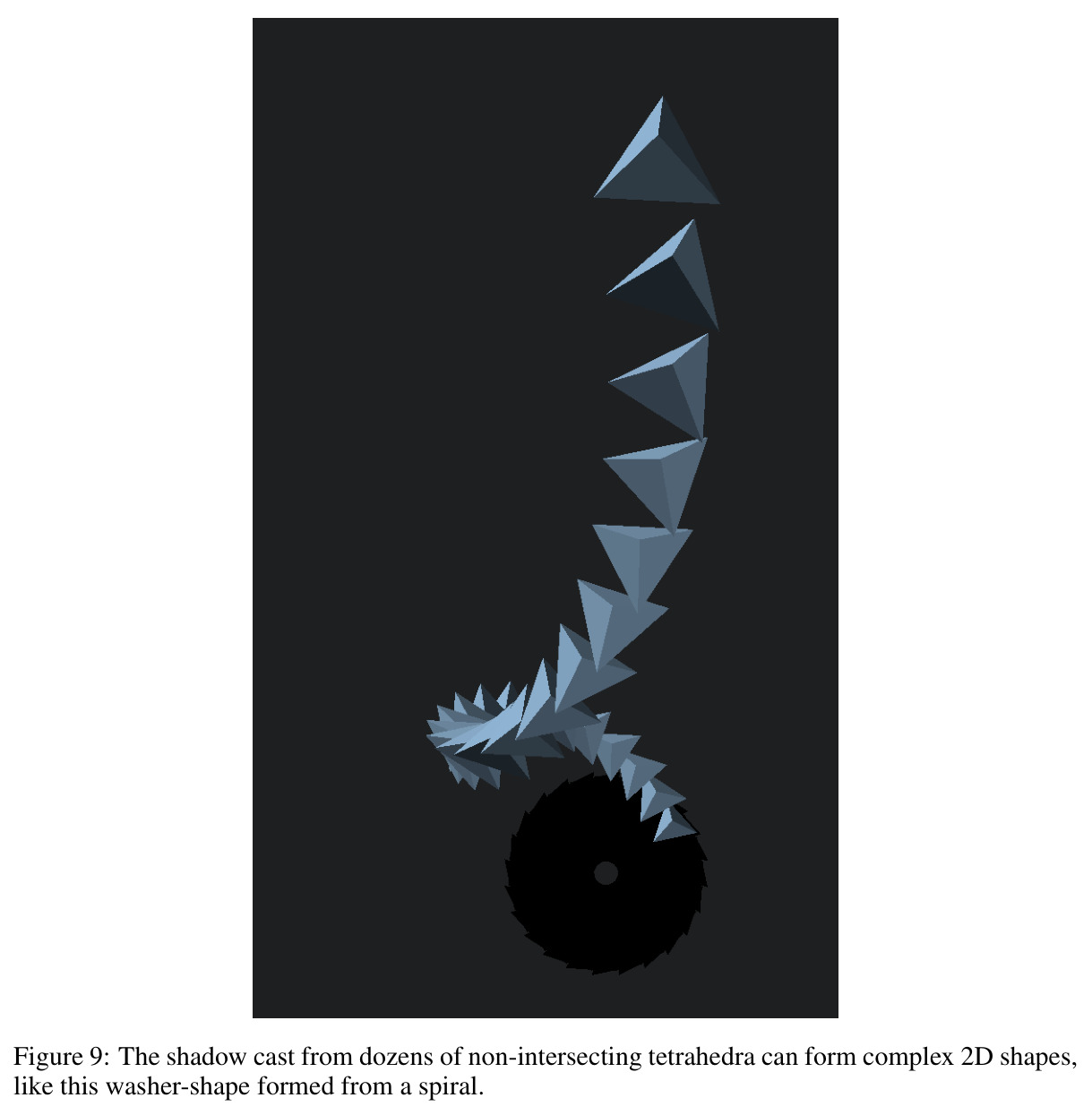
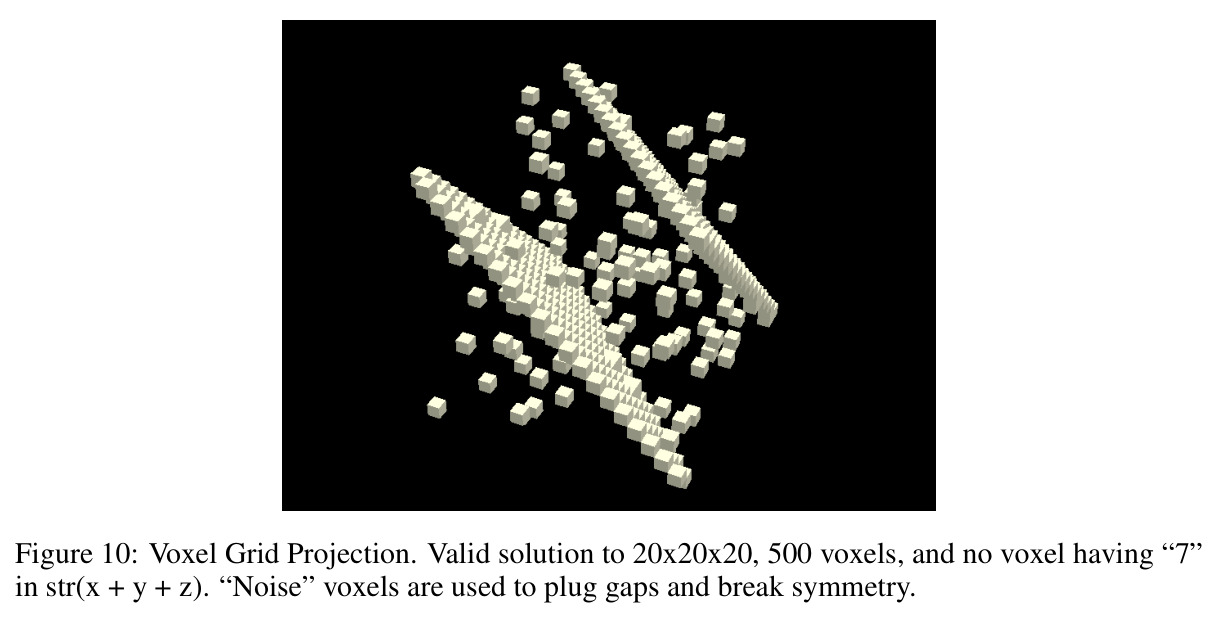
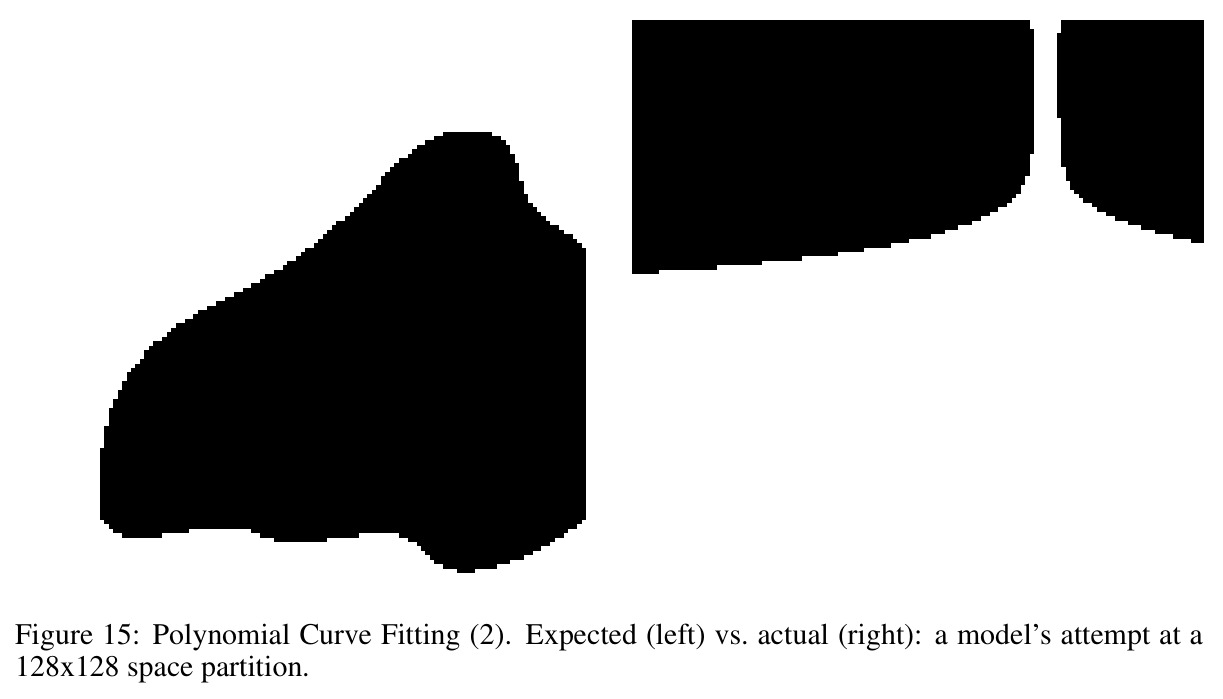
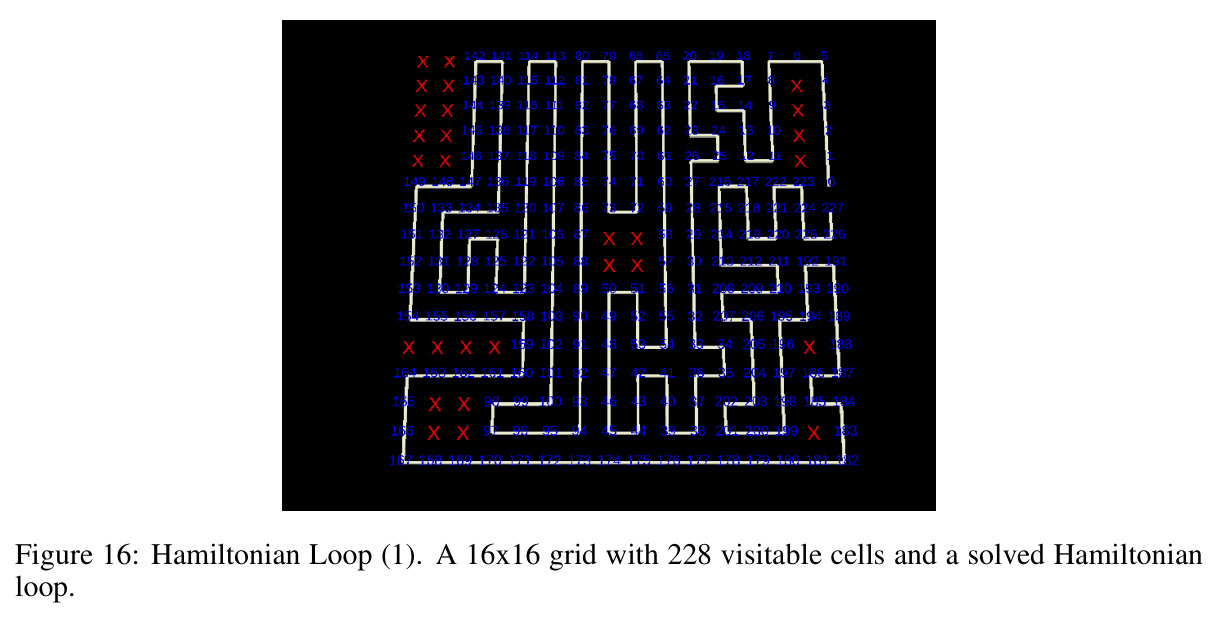
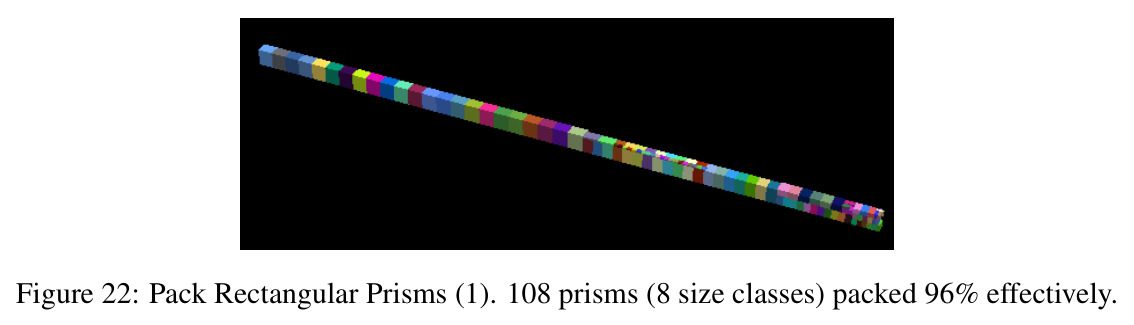
| SCBench Constructive 桶(171 subpass) | Accuracy (%) | Sonnet 30.2 / Gemini 51.4 / GPT-5.2 51.9 (no-tools) | 无;含 CSG Union、Tetrahedra Shadow、Voxel Grid Projection、Polynomial Curve Fitting、Delaunay、Hamiltonian Loop、Pipe Loop、Hide and Seek、Pack Rectangular Prisms、Interlocking Parts、Largest 3D-Printable Prime、Shikaku 共 12 个任务 | 工具后三模型普遍 +4.3 到 +15.0 pp,GPT-5.2 在 Tetrahedra Shadow +68.5、Delaunay +48.0 |
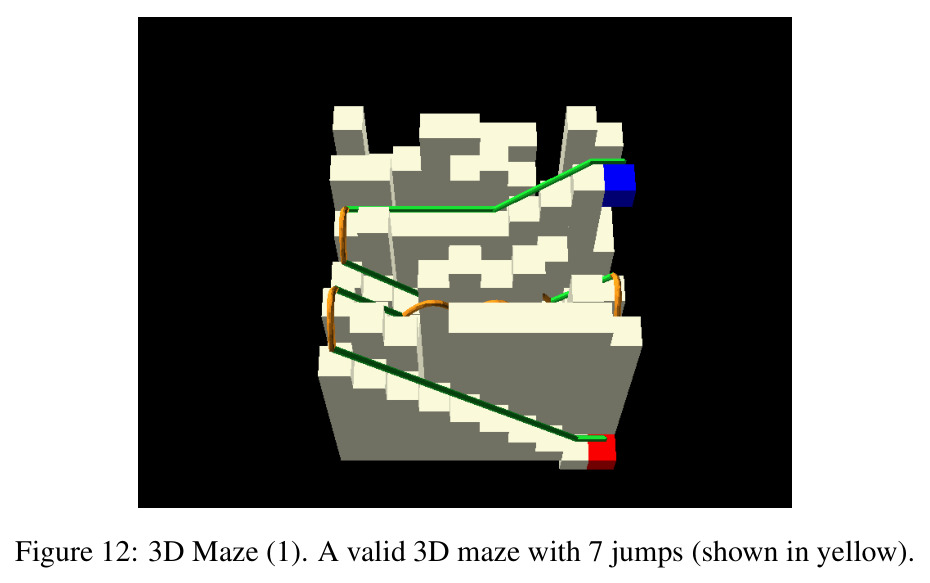
| SCBench Planning 桶(39 subpass) | Accuracy (%) | Sonnet 27.5 / Gemini 39.0 / GPT-5.2 50.0 (no-tools) | 无;含 3D Maze、Hyper-Snake、Fluid Simulation、Terrain Levelling 4 个任务 | Gemini 工具后 +23.6 pp(Hyper-Snake 单任务 +59.3);Sonnet/GPT-5.2 工具后反而 -7.8/-8.3 pp |
| SCBench 整体(285 subpass) | Overall Accuracy (%) | Sonnet 34.9 / Gemini 57.6 / GPT-5.2 57.6 (no-tools) | 无;三桶等权加权 | 工具后 Sonnet +3.2 / Gemini +8.8 / GPT-5.2 +6.8 pp;最高分仍仅 64.4% (Gemini 工具) |
| Fluid Simulation(单步构造型规划,11 subpass) | Task accuracy (%) | Sonnet 72.7 / Gemini 68.2 / GPT-5.2 100.0 (no-tools) | 构造仅需单步挖盆地即可 | GPT-5.2 满分;工具后 Gemini +4.5,Sonnet -12.1,GPT-5.2 -15.9(出现「装工具反而过度构造」) |
| Terrain Levelling(多步仿真规划,9 subpass) | Task accuracy (%) | Sonnet 0.0 / Gemini 0.0 / GPT-5.2 0.0 (no-tools & tools) | — | 0%(无任何模型能输出让岩石有效滚入谷地的爆破序列) |
| Delaunay Triangulation(25 subpass) | Task accuracy (%) | Sonnet 8.0 / Gemini 4.0 / GPT-5.2 16.0 (no-tools) | 无工具纯靠空圆准则推理 | 工具后三模型集体暴涨 +36.0 到 +56.0 pp(直接调 scipy.spatial.Delaunay 即可) |
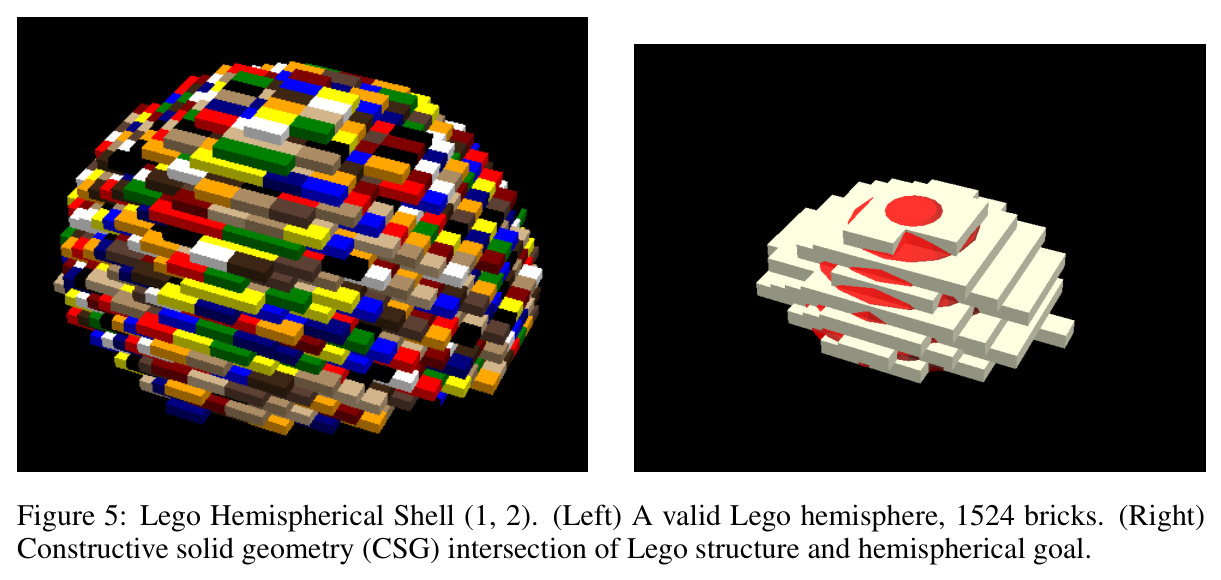
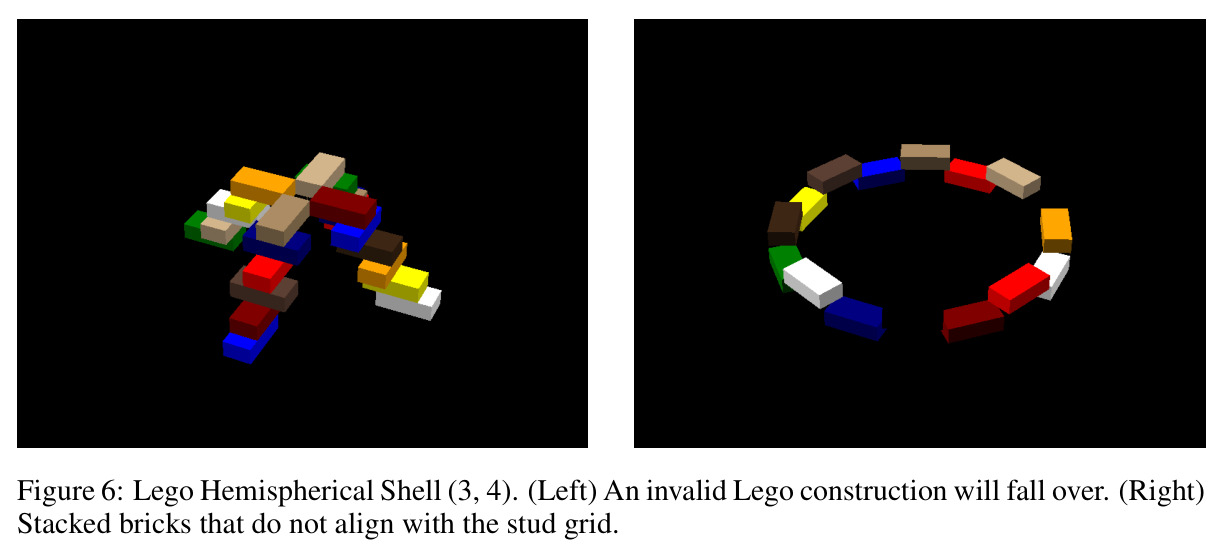
| Lego Hemispherical Shell(8 subpass) | CSG 体积相似度(%) | Sonnet 0.0 / Gemini 0.2 / GPT-5.2 0.0 (no-tools) | 无 | 工具后 Gemini +15.4,其余无改善——构造稳定 Lego 半球壳仍近乎全军覆没 |
局限与改进
作者明承认的限制:(1) 当前评测是 single-turn、zero-shot、单样本,没有多轮交互或自纠错;(2) 模型覆盖仅三家旗舰(Claude Sonnet 4.5、Gemini 3 Pro Preview、GPT-5.2),没有开源/小模型对照;(3) judge 使用 GPT-5.2-chat Medium 推理,存在「用模型评判模型」的循环依赖,且 Gemini 3 Pro 不暴露推理痕迹,诊断信号天然缺失;(4) 任务集虽 22 个但每个 subpass 仅 1 次采样,无法估计方差;(5) 输出 token 预算扫描只覆盖 axiomatic 桶,结论不能直接外推到 constructive / planning;(6) 工具设置固定为 provider 自带 Python 解释器 + Web Search,没有控制不同 tool 通道的隔离效应。本人额外观察到的限制:(a) 任务高度依赖 OpenSCAD / PyBullet / 自研流体仿真器,对外部开发者复现存在工程门槛;(b) Terrain Levelling 的零分并非「模型不会挖」,而是「prompt 要求按 (x,y,depth) 提交爆破计划,而 PyBullet 仿真揭示出深钻+平地的爆破几乎无效」——这个隐性 domain knowledge 写在了 Appendix B.13 而非主文,模型的 prompt 缺乏这种推理线索;(c) 「Lego Hemispherical Shell」8 子任务全模型接近 0 分,且 prompt 给出 75% 悬挑的具体例子暗示存在死规则,但作者未充分讨论为什么三模型都没利用这种 physics-level 提示;(d) Vertex labelling 类 (Topology Enumeration、Enumerate Edges) 任务 Gemini 工具后从 100 跌到 50,GPT-5.2 从 30 跌到 18——说明简单规则枚举反而被工具扰乱,是评测本身的副作用,论文没有深入剖析;(e) 没有 ablation 区分「Python 解释器」与「Web Search」两个 tool 的独立贡献。
独立分析的弱点
(1) 评估只看零样本首答:所有 22 个任务都 single-turn、no self-correction,这对规划类(3D Maze、Hyper-Snake)尤其不公——人类解 Hamiltonian 回路本身就需要试错,论文用「单次提交」的方式测了一个「极度压缩」的能力。可以改进为允许 k 步 rollout + best-of-k 选优,或借鉴 SWE-Agent 的多轮反思。(2) 失败模式五分类依赖 GPT-5.2-chat 自评:评委与被评者同源会引入系统性偏差,特别是 GPT-5.2 在自己失败时被标 Evasion 比例高、Local-Only 比例低。建议引入 rule-based verifier 信号作为 ground label、用人类专家对 100 条左右 subpass 标定作为校准集。(3) Token 预算扫描只做在 axiomatic 桶:constructive 与 planning 上的饱和曲线才是真正关键,特别是 Terrain Levelling 在 B=65536 下是否还 0%?补一组 scanning 能直接回答「算力是不是空间规划的硬瓶颈」。(4) 评测温度全部用 provider 默认,但 reasoning_effort=high/xhigh 与 thinking_budget 仍属于隐藏变量,导致 Sonnet 与 Gemini 的「最高档」未必可比。改进方向:把所有采样超参显式列出并对每档跑 5 次取平均,给出置信区间。(5) 任务设计存在「Lego Hemispherical Shell 几乎 0%」「Largest 3D-Printable Prime 几乎 0%」的悬而未决项,作者没解释这些任务是否设得过难——可能是 prompt 信息不足(缺物理/材料暗示),也可能是 grader 太严(65% 体积相似度才算 perfect)。改进方向:把 prompt 与评分标准一起改,先在小模型上做 ablation 让 ground truth 难度曲线平滑。(6) 工具调用的副作用没有独立分析:Constructive 桶三模型都正收益,但同时部分任务(如 Vertex labelling)反而退步。论文应把 code_execution 与 web_search 的贡献拆开,否则工具红利的真实机制说不清。
未来方向
作者提出的方向:把评测扩展到多轮交互 + self-correction + 跨模型家族的可比协议。本人基于论文成果进一步延伸:(a) 既然 Local-Only 是主失败模式,可以设计「explicit global constraint checklist」的 prompt 模板,看是否能压低 Local-Only 比例;(b) 把图神经网络、约束求解器(Z3、OR-Tools)作为可调用 tool 暴露给模型,验证工具从「数值计算」升级到「约束传播」后能否进一步打破 Constructive/Planning 天花板;(c) 把 285 个 subpass 拆成「纯空间推理」与「含语义干扰」两层,看模型退化多少,从而把「空间能力」与「指令遵循能力」解耦;(d) 借助 SCBench 的程序化实例生成器,做 RL 训练:把 verifier 分数当 reward,验证自训能否显著压低 Local-Only;(e) 把预算扫描扩展到 chain-of-thought trace 上而非仅 final output,看模型是否在中间步骤已违反全局约束;(f) 探索更细的失败子分类,例如把 Local-Only 拆成「局部形状错」与「局部拓扑错」,给模型反馈时更精准;(g) 在视觉-语言模型上做镜像实验,验证 paper 的结论(视觉通道是缓解还是加剧全局约束整合难题)。
复现评估
代码与数据全部开源(github.com/ashleyharris-maptek-com-au/SpatialCompetenceBenchmark/tree/iclr_2026),包含 22 个任务的 prompt 模板、参数化实例生成器、deterministic / simulator-based verifier、Three.js 风格的可视化工具。复现需要的资源:调用 OpenAI / Anthropic / Google 三家 provider 的旗舰 API(GPT-5.2、Claude Sonnet 4.5、Gemini 3 Pro Preview),按主文 6 个 run × 285 subpass 单样本计算,整体开销属于中等规模 API 预算;额外依赖 OpenSCAD(CSG 验证与流体渲染)、PyBullet(爆破岩石仿真)、自实现的降雨迭代器与 Shikaku / Delaunay / Hamiltonian 的 reference solver,作者都给出了参考实现。复现难度整体偏低,但存在三个工程坑:(1) Gemini 3 Pro Preview 是私有 preview,外部可能拿不到一致的 reasoning trace;(2) 各 provider 的 reasoning_effort 参数语义不同,「最高档」未必真正可比,建议复现者补一遍 ablation;(3) Terrain Levelling 用 PyBullet 做物理仿真,需保证版本一致,否则落石轨迹会偏离原始评分。综合可复现度中等偏上,主要风险来自 API 版本漂移与仿真器版本不匹配。
论文图表
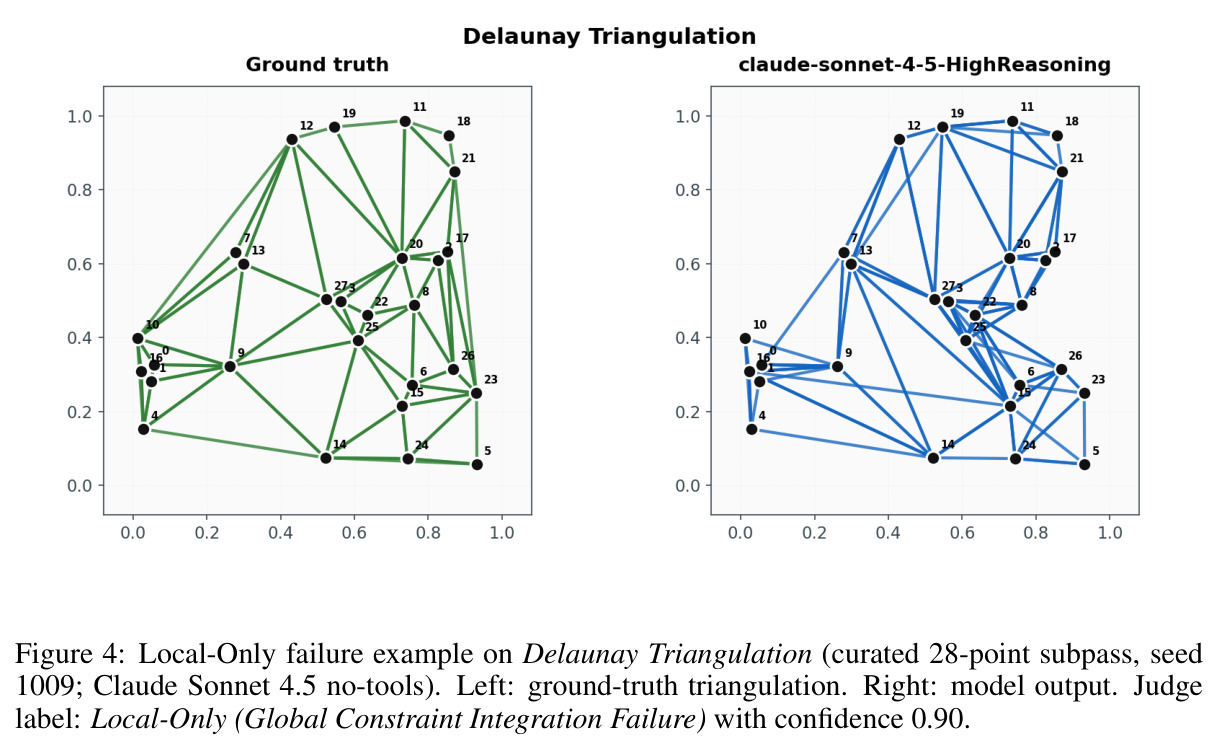
左图为 28 点 ground-truth Delaunay 三角剖分,右图为 Sonnet 在 no-tools 下的输出三角集合。Judge 判定为 Local-Only (Global Constraint Integration Failure),confidence 0.90,因为输出 schema 合规但 verifier 报告大量 missing/extra triangles。
用一个具体案例展示 Local-Only 失败的样子——局部三角形几何合理但全局组合不满足空圆准则,是理解 Figure 3 主失败模式的最佳具象。
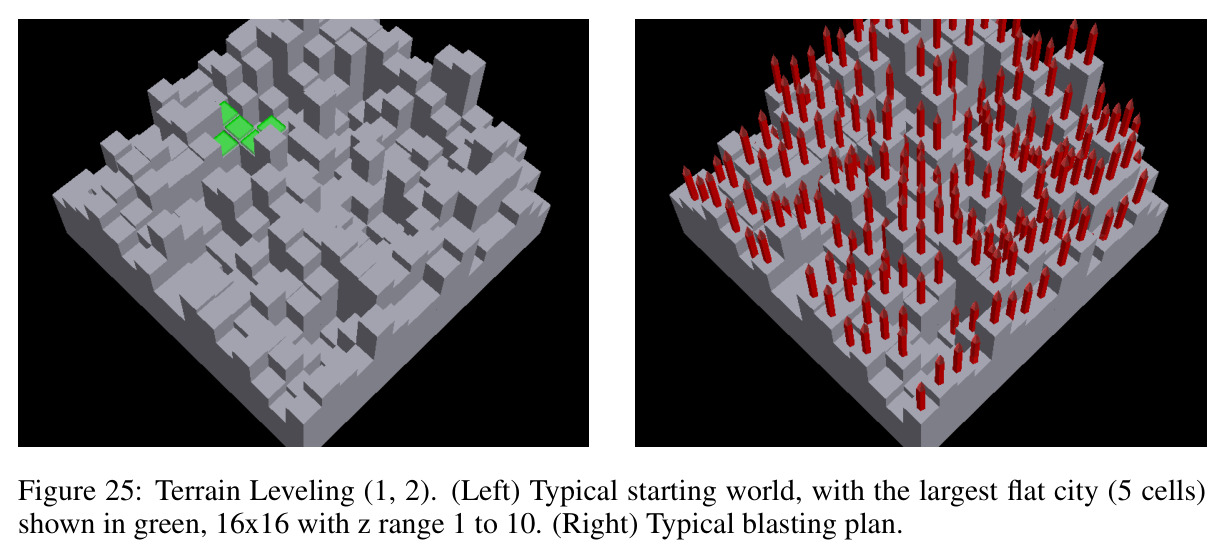
左图为典型 Perlin 噪声生成的高度场(16×16,z 范围 1–10),绿色标注当前最大平坦城市 5 格;右图为模型提交的爆破计划(按 (x, y, depth) 排序)。爆破后岩石在 PyBullet 仿真里滚落并堆积在低洼,从而改变最大平坦区域大小。
Terrain Levelling 是 Planning 桶唯一全模型 0 分的任务——直观解释为何多步动力学(爆破→落石→再平衡)超出当前 LLM 一次性输出能力。
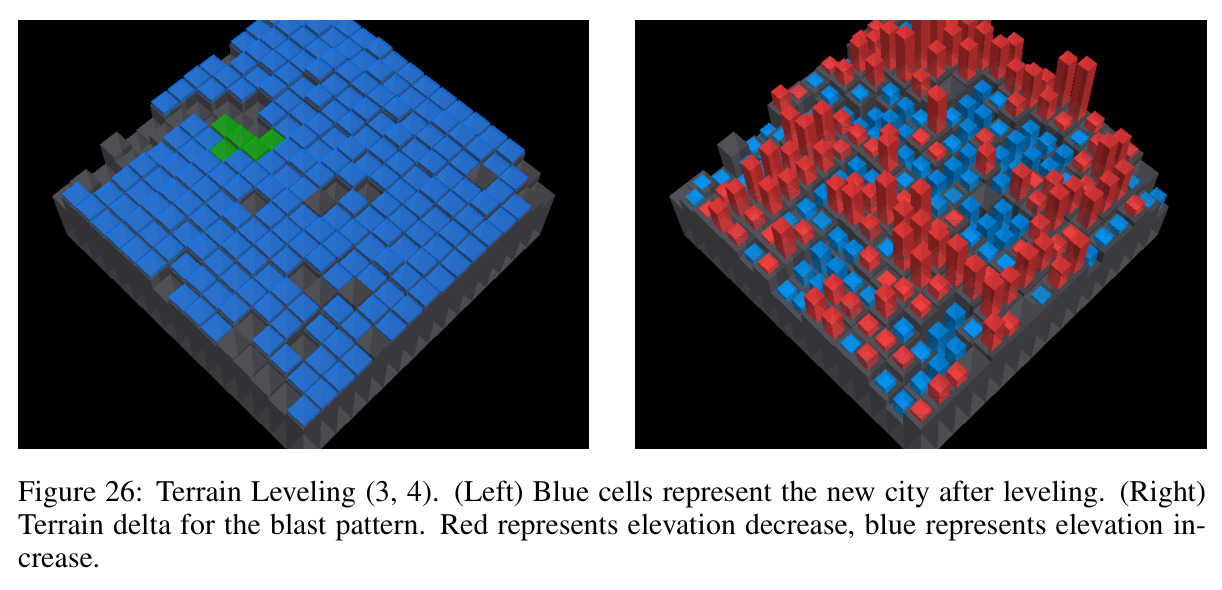
左图为爆破后形成的更大蓝色平坦城市;右图为爆破前后高程差可视化(红=高程下降、蓝=高程上升)。
Terrain Levelling 任务的最终效果可视化,反向说明 prompt 要模型在生成时预测物理演化,对 LLM 几乎是不可解的。
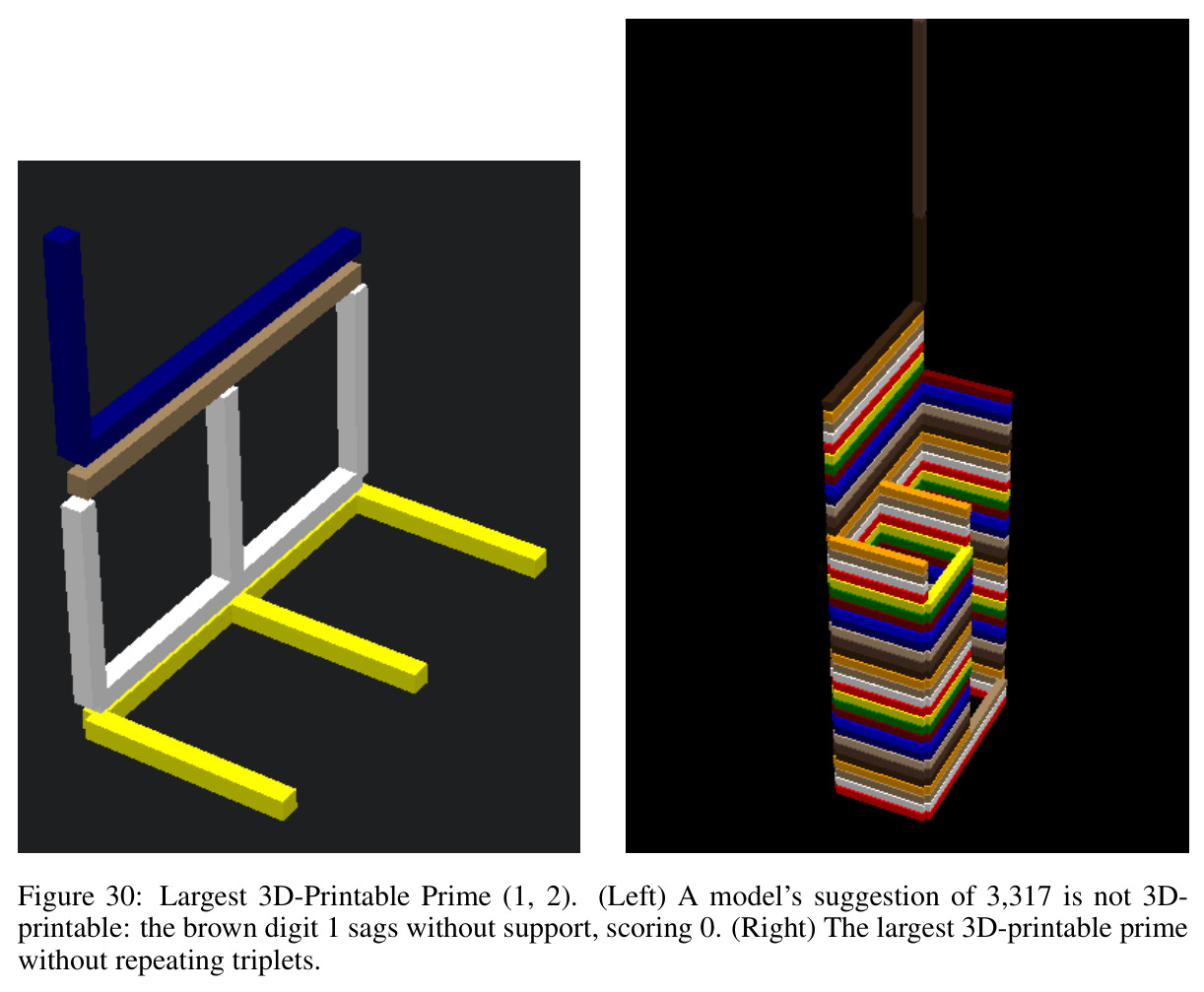
左图为模型提交的 3,317——棕色 1 没有支撑被判定失败;右图为参考最大可 3D 打印素数(数字串 ~3000 位,无重复 3-digit 三元组)。
展示 Largest 3D-Printable Prime 任务的典型失败(左)与参考解(右),解释为何此任务三模型几乎全 0%——既要找大素数又要满足 3D 打印支撑约束。
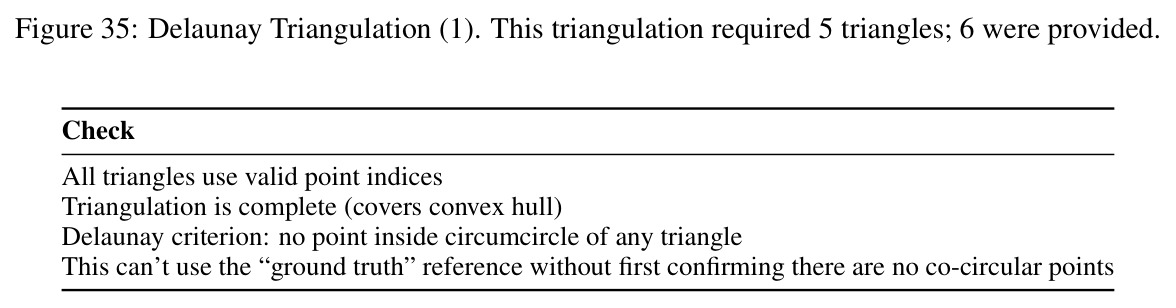
8 点 2D 坐标集的真实 Delaunay 三角剖分需 5 个三角形,模型给出 6 个(多了一个 [0,1,2] 三角形)。
展示 Delaunay Triangulation 任务的典型 Local-Only 失败——多出的三角形局部几何合理但破坏全局空圆准则,与 Figure 4 形成对照。
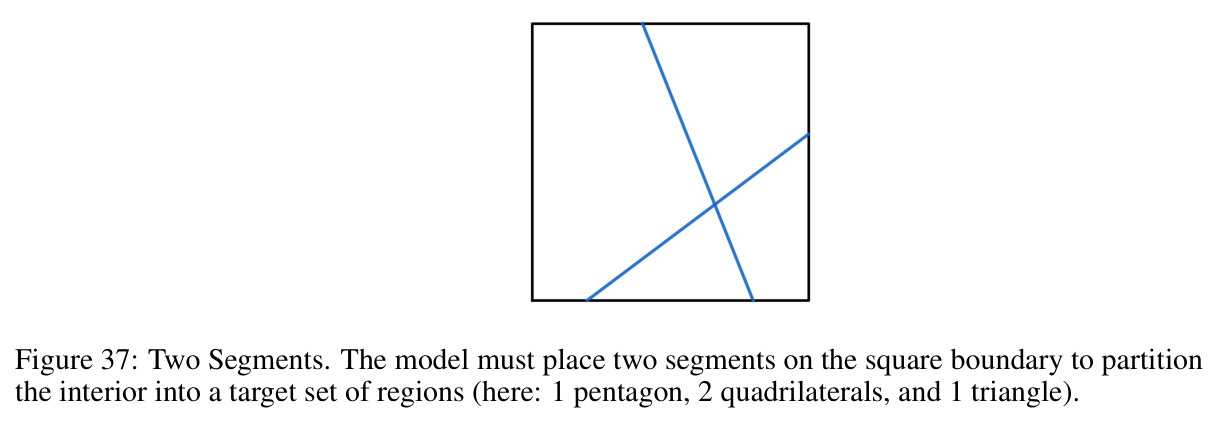
在单位正方形边界上放两条线段,使内部被分成指定面数与多边形类型(本例:1 个五边形 + 2 个四边形 + 1 个三角形)。
对应 Figure 1(a) 的 Axiomatic 桶细节展开;Sonnet 虽能用对 Euler 公式却仍产 Local-Only 失败,是 Figure 3 主失败模式的经典案例。